


Crtež pada na strojarsku klupu. Oblačić kaže "303 nehrđajući" za mali čep za ispuštanje ulja s navojem i seriju samoreznih umetaka. Nitko ne pita hoće li dio biti dovoljno jak, jer snaga nik...
PROČITAJ VIŠE
Dobavljač navojnih čepova
Čep za ulje
-
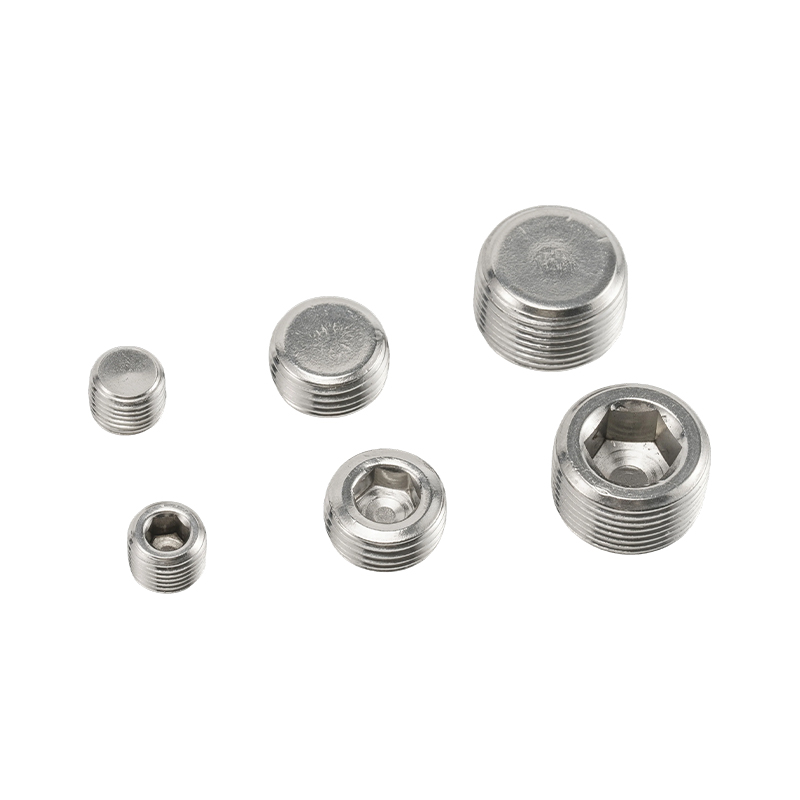 Čep s ravnim navojem (čep sa šesterokutnom utičnicom) rješenje je za brtvljenje visokih performansi dizajnirano za pr...
-
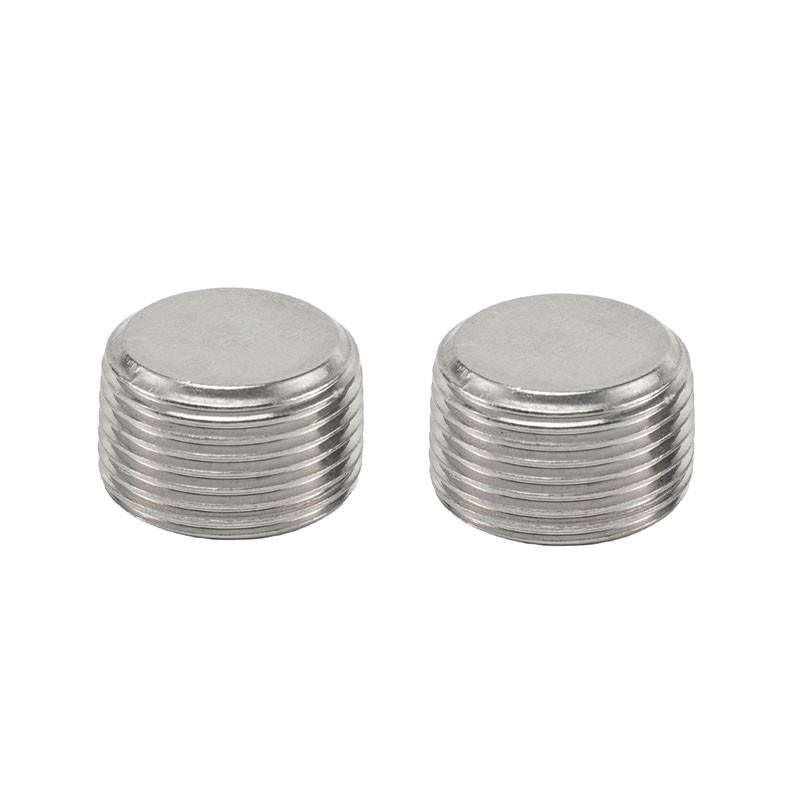 U području prefabrikacije i instalacije cjevovoda, precizno zatvaranje otvora i ispitivanje su od najveće važnosti. K...
-
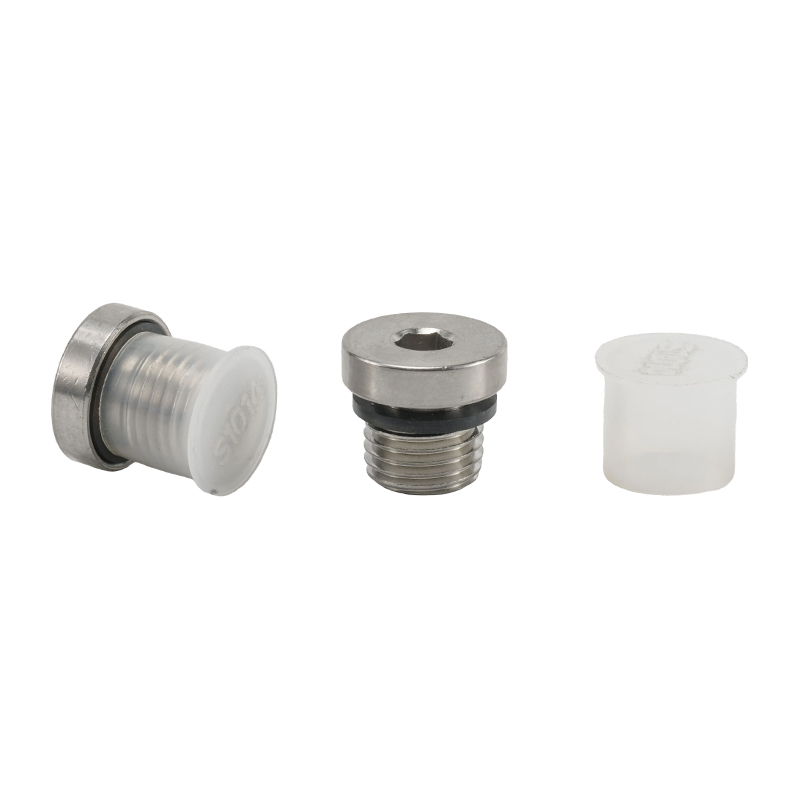 U primjenama kao što su završeci cjevovoda, ispitivanje tlaka ili održavanje opreme, postoji kritična potreba za brtv...
-
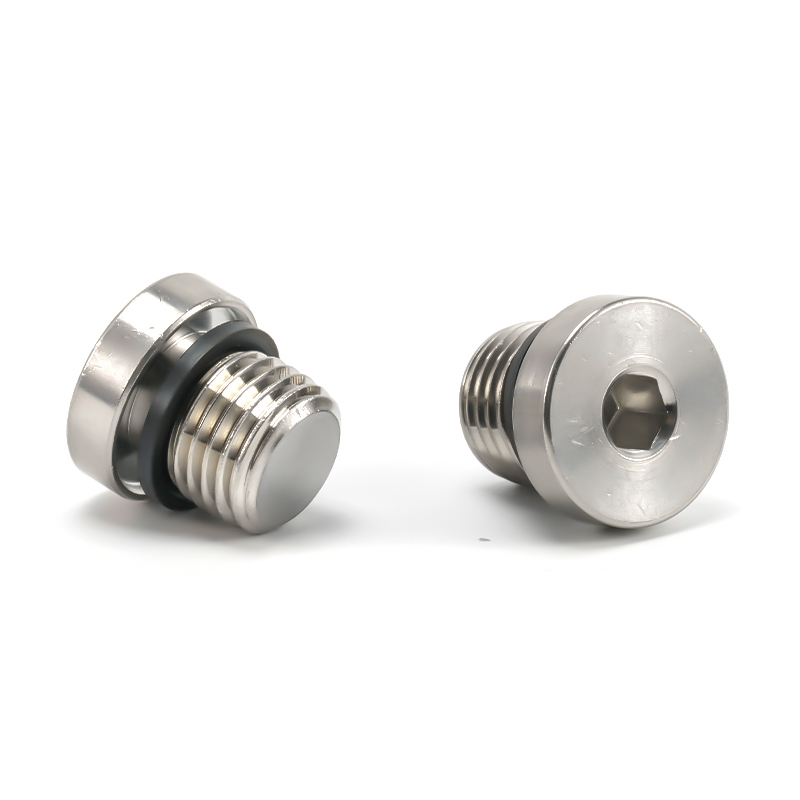 Čepovi za ulje od nehrđajućeg čelika 303, 304 i 316 dizajnirani su za primjene koje zahtijevaju visoku otpornost na k...
-
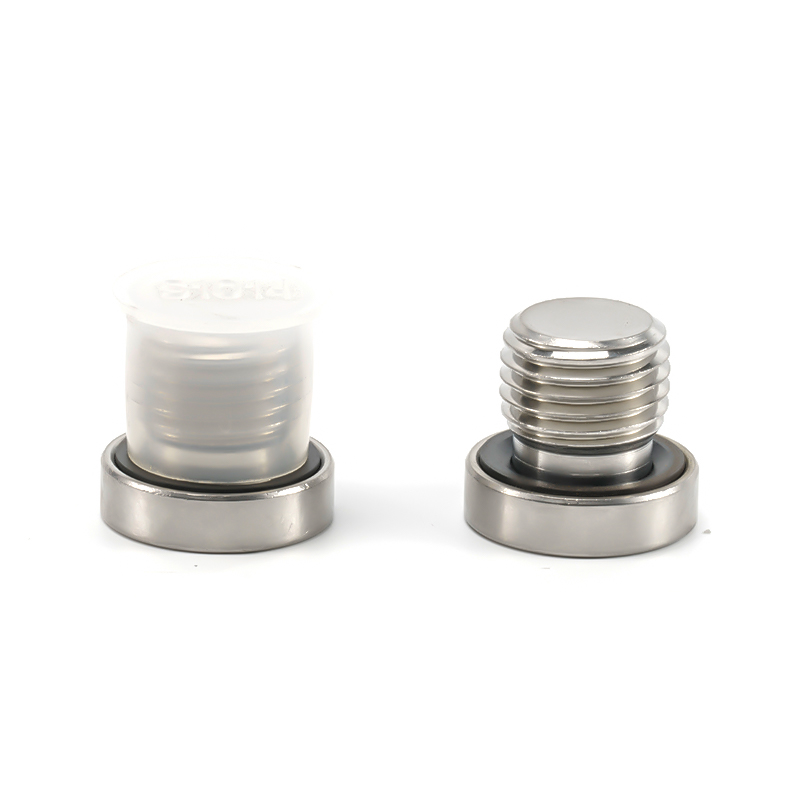 Ima izvrsnu otpornost na pritisak i dobru otpornost na koroziju. Široko se koristi u automobilskoj industriji, stroje...
Uljni čep je kritična brtvena komponenta koja se široko koristi u industrijskim strojevima, automobilskim motorima, građevinskoj opremi i vanjskoj električnoj opremi. Prvenstveno se postavlja na korito ulja ili spremnik ulja opreme kako bi sigurno zatvorio ulje za podmazivanje unutar sustava, sprječavajući curenje tijekom rada.
Tijekom rutinskog održavanja, čep za ulje može se jednostavno ukloniti kako bi se ispustilo staro ili onečišćeno ulje, čime se omogućuje zamjena svježim uljem i osigurava nesmetan rad unutarnjih komponenti kao što su zupčanici, ležajevi i klipovi.
Uljni čepovi proizvedeni su od materijala visoke čvrstoće kao što su ugljični čelik, nehrđajući čelik ili mesing i imaju precizne navoje koji odgovaraju različitim otvorima opreme. Neki modeli visokih performansi uključuju podloške ili brtvene prstene kako bi se poboljšala učinkovitost brtvljenja i izdržali zahtjevni radni uvjeti, uključujući visoke temperature, velika opterećenja i vibracije.
Profil tvrtke

Dongtai Jinzhize Metal Products Co., Ltd.
Kao Tvornica čepova za uljnu posudu i Dobavljač navojnih čepova, Dongtai Jinzhize Metal Products Co., Ltd. je specijalizirani proizvodni pogon posvećen proizvodima s navojnim spojevima za automobilsku i zrakoplovnu industriju. Primarno proizvodimo spiralne žičane umetke, samorezne umetke, umetke s ključem, navojne adaptere, uljne čepove, kao i odgovarajuće alate za ugradnju i slavine. Osnovana 2015. godine, tvrtka posluje iz vlastitog proizvodnog pogona od 10.000 četvornih metara opremljenog stotinama alatnih strojeva i automatiziranih proizvodnih sustava. Kroz godine razvoja izgradili smo iskusan tim stručnjaka za dizajn, razvoj i proizvodnju, dopunjen strogim sustavom upravljanja kvalitetom i sveobuhvatnim mehanizmom postprodajne podrške. Naši proizvodi široko se koriste u automobilskoj industriji (uključujući motore i mjenjače za osobna i gospodarska vozila), zrakoplovnoj industriji i proizvodnji željezničkih vozila. S godišnjom proizvodnom vrijednošću od 153 milijuna RMB u 2024. godini, posjedujemo kapacitet za veliku i stabilnu opskrbu. Predani smo pružanju kupcima visoko konzistentnih, sljedivih proizvoda i pouzdane podrške.
Vijesti
-
-
Ako namjeravate urezati navoj 9/16, prva specifikacija koja vam je potrebna je veličina svrdla 9/16. Za grubi navoj 9/16-12 UNC, standardno svrdlo za nareznicu je 31/64 inča (0,4844 inča), a za ...
PROČITAJ VIŠE -
Stojite za stolom s grupom nosača koji zahtijevaju rupu s narezom #2-56 (prikaz, ostalo)., a crtež vam ne govori koje svrdlo treba uzeti. Veličina svrdla za nareznicu 2-56 najvažnija je odlu...
PROČITAJ VIŠE -
Objašnjenje vrsta umetaka s navojem: izravan odgovor prije pojedinosti Za inženjere i timove za nabavu koji uspoređuju a umetak s navojem u odnosu na golu navojnu rupu,...
PROČITAJ VIŠE -
Metalni navojni umetci i umetci za popravak navoja : Izravni pregled Umetci s metalnim navojem, a posebno umetci za popravak navoja, precizne su komponente ugrađene u urezanu ili ...
PROČITAJ VIŠE
Potvrda o časti
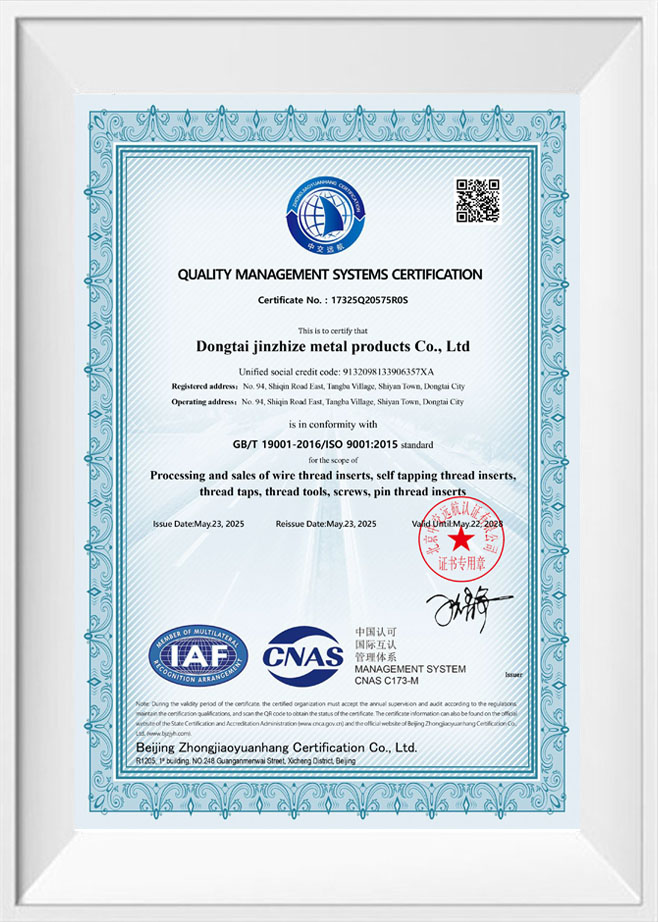
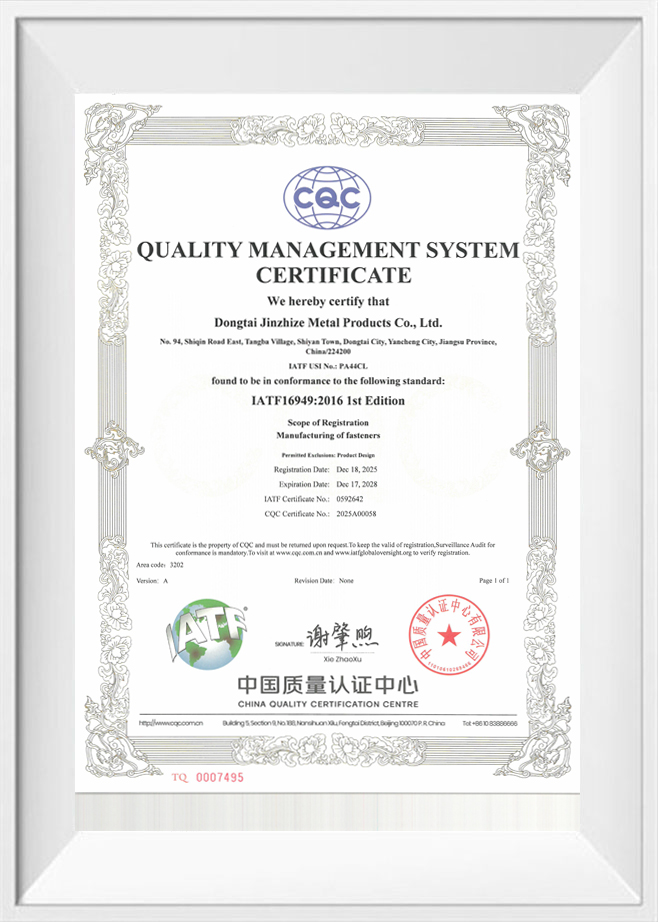
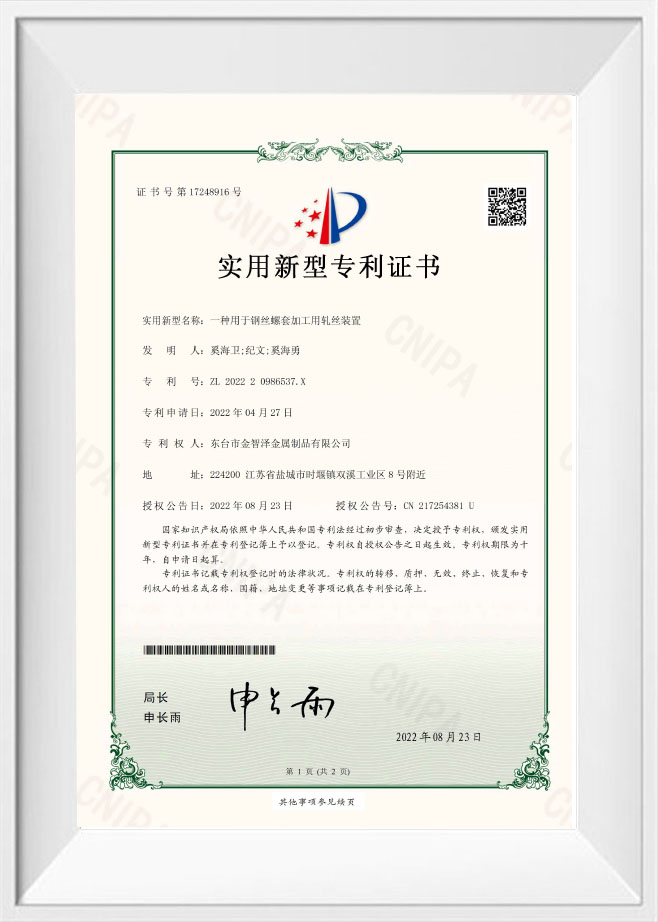
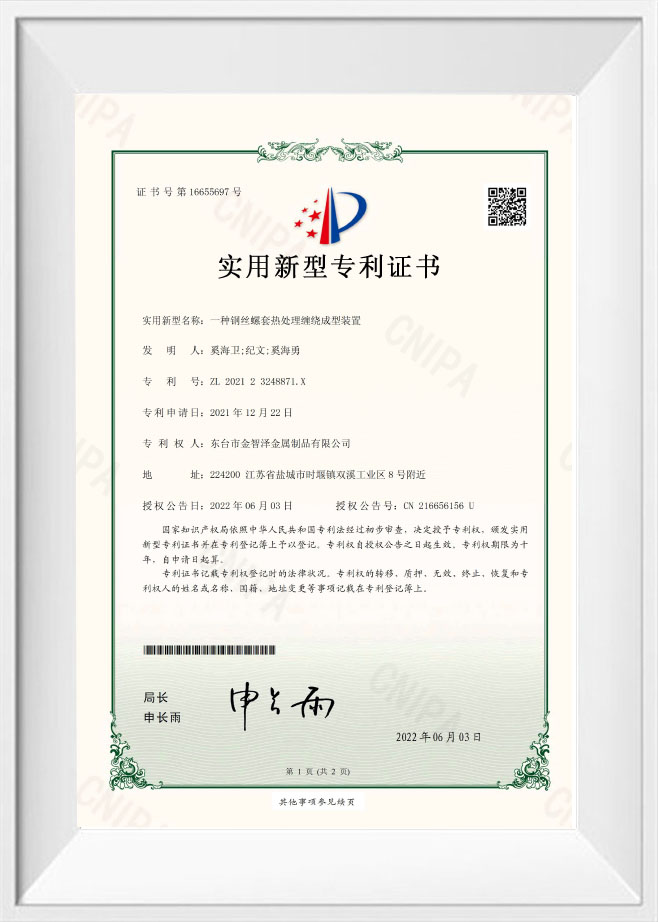
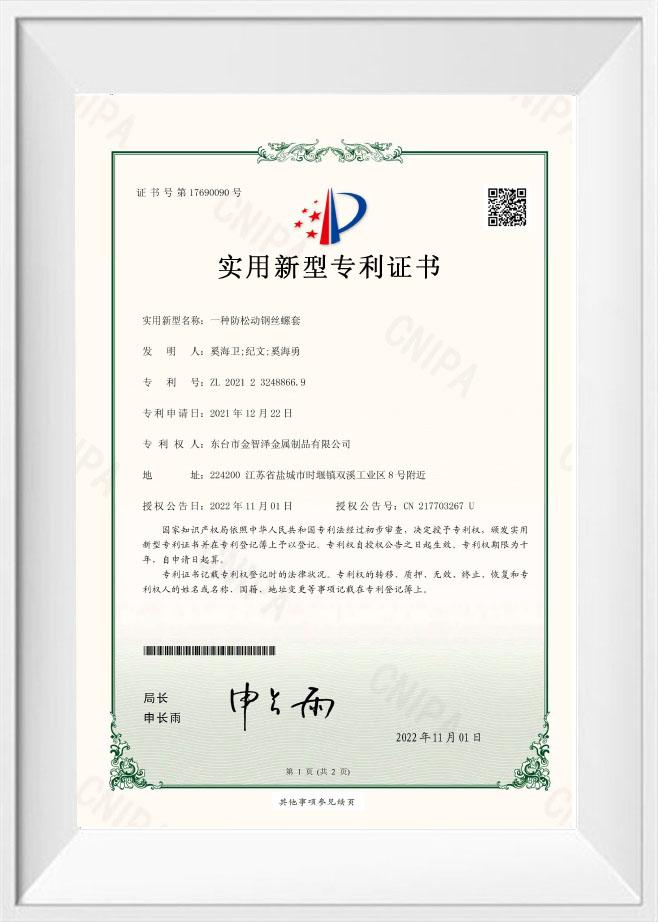
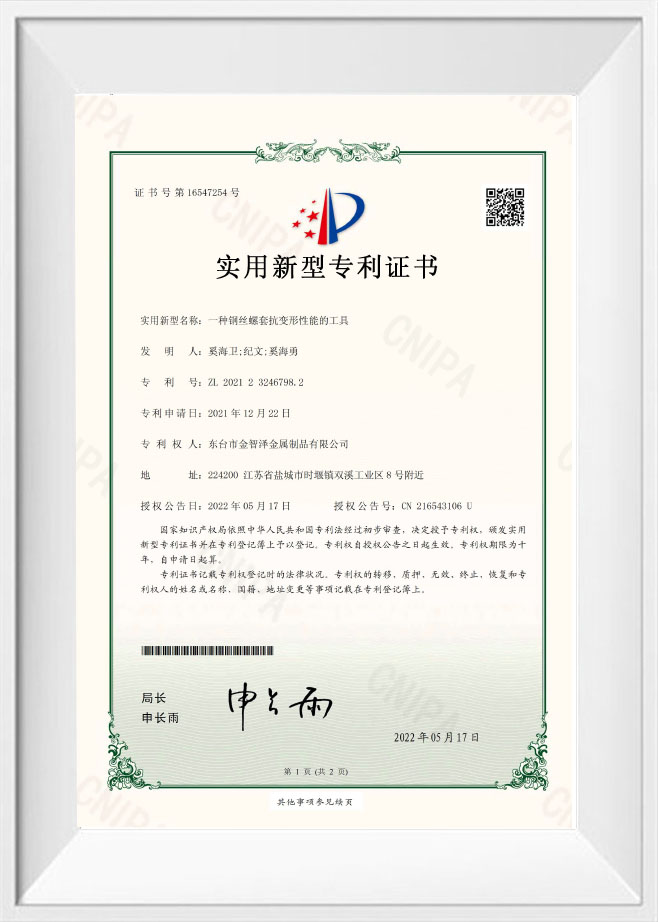
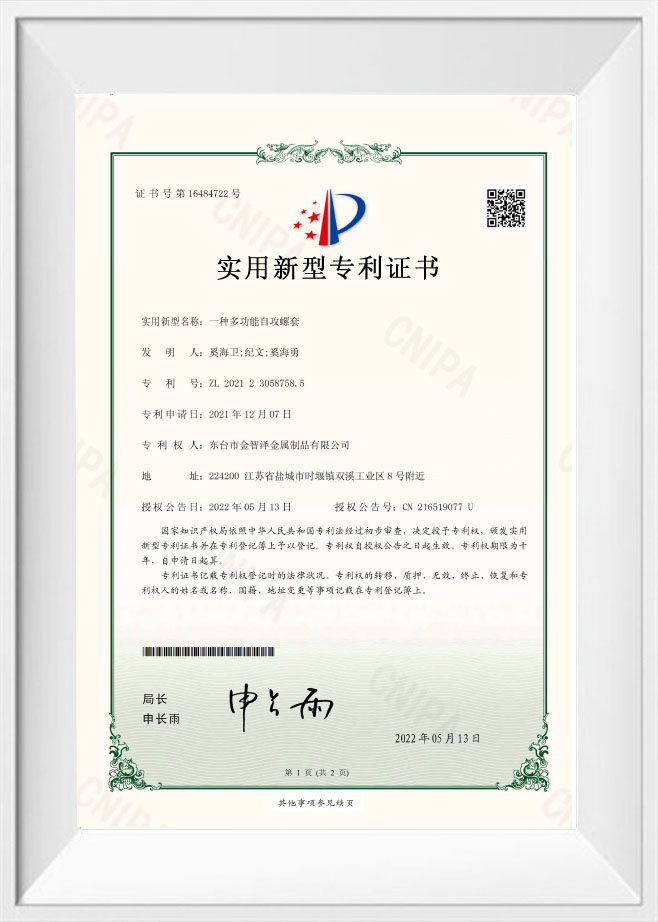
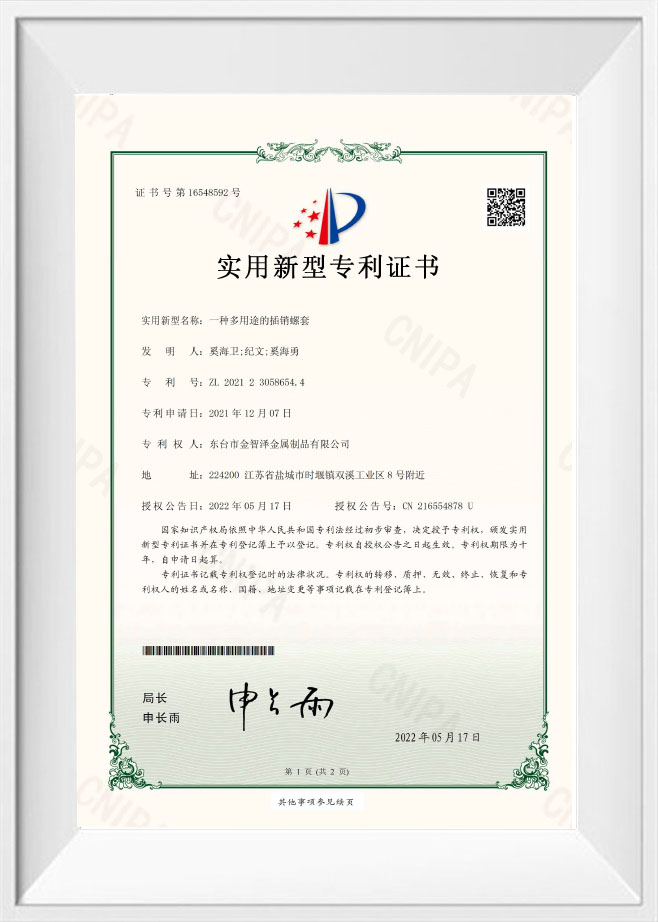
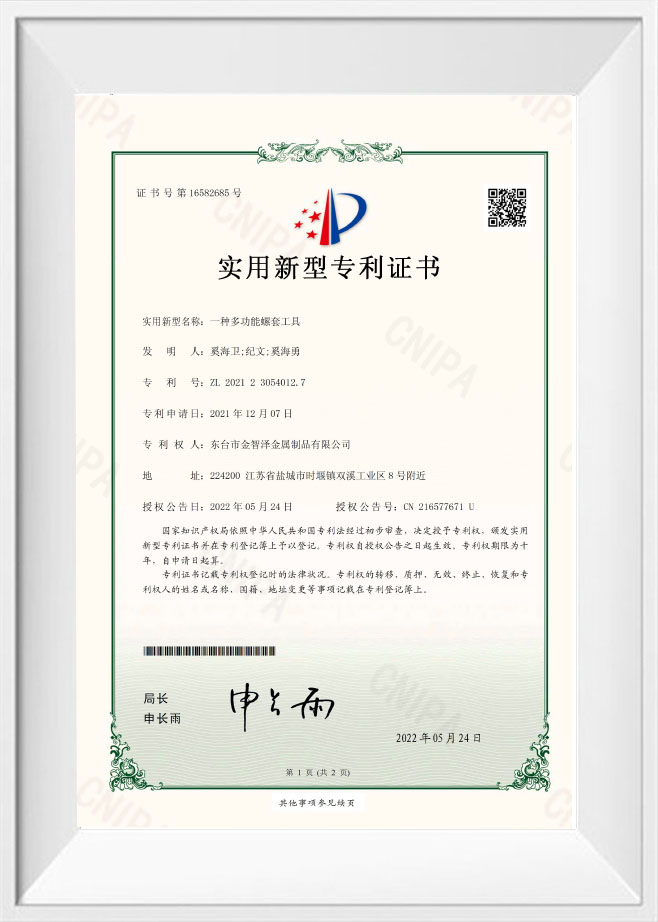
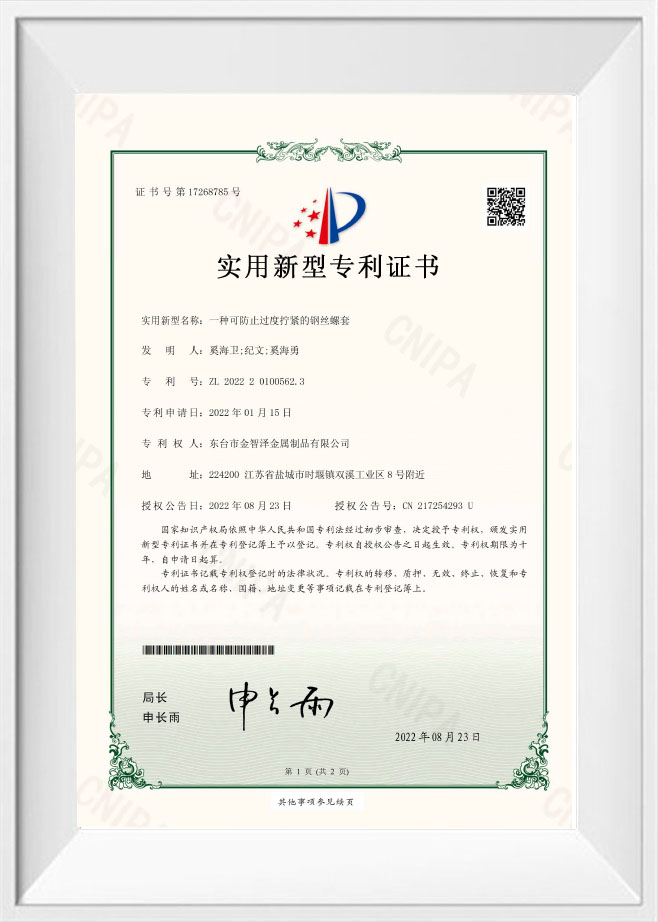
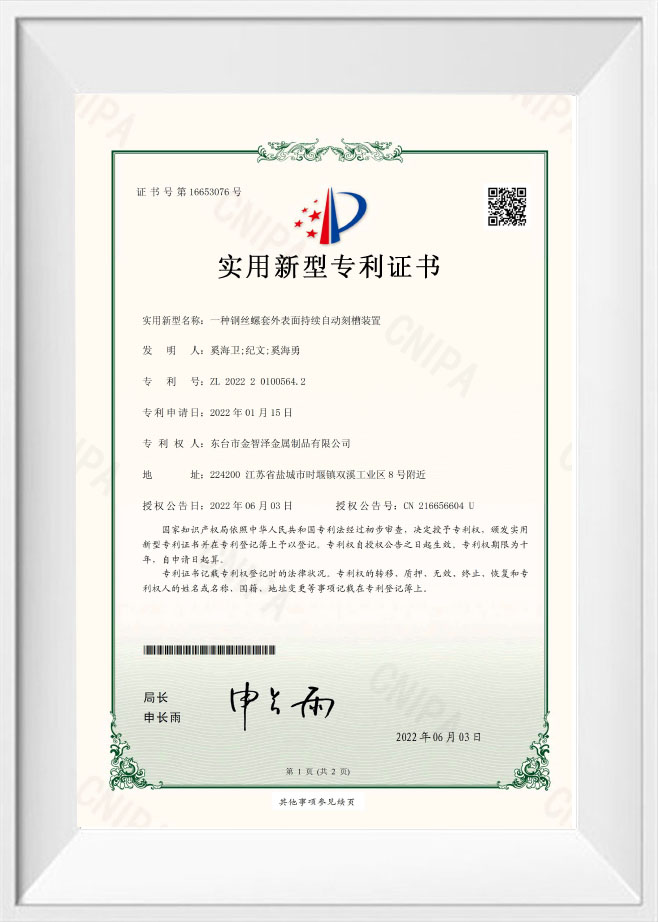
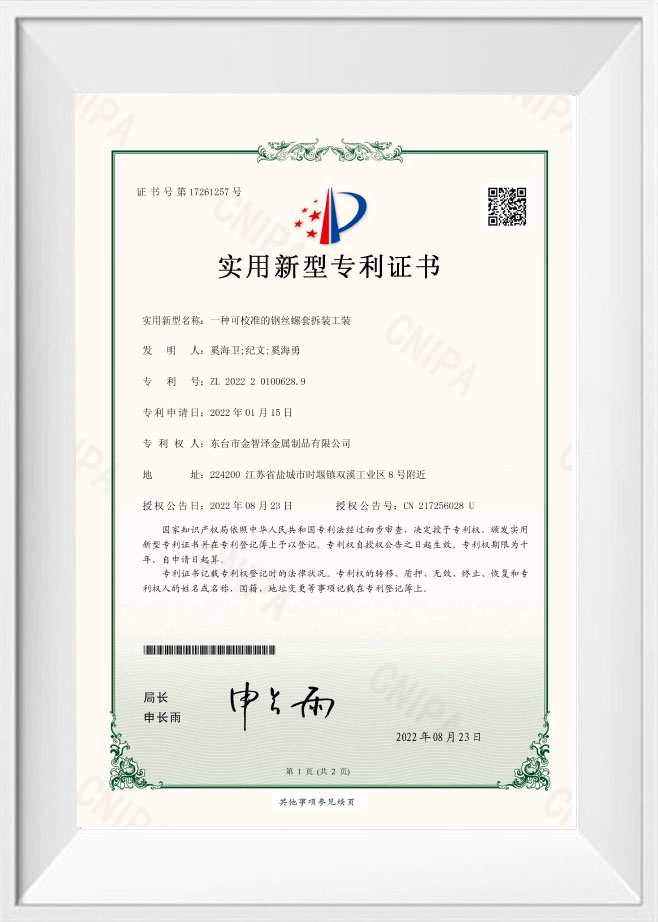
Čep za ulje Industrijsko znanje
What are the differences in materials used for oil plugs?
The choice of oil plug material directly affects its performance in high-temperature, high-pressure, and corrosive environments. The main differences are as follows:
1. Carbon Steel
Applications: Typically used in cost-sensitive projects or in environments with low corrosivity in the oil.
Performance Characteristics: High compressive strength and hardness, capable of withstanding large mechanical loads.
Limitations: Not resistant to acidic and alkaline oils; long-term use may lead to leakage due to corrosion.
2. Stainless Steel
Applications: Widely used in demanding fields such as high-end automotive engines and aerospace.
Performance Characteristics: Excellent corrosion resistance, especially strong resistance to moisture, salt, and acidic media in oils; maintains structural integrity under high-temperature and high-pressure environments.
Advantages: Long service life, low maintenance costs, particularly suitable for equipment operating under high loads and for extended periods.
3. Brass
Applications: Commonly used in small machinery, pipe connections, or applications requiring easy machining.
Performance Characteristics: It possesses good ductility and machinability, excellent thermal conductivity, and is relatively soft, facilitating grinding and adjustment.
Limiting Factors: It has relatively low strength, is easily deformed, and its corrosion resistance is inferior to stainless steel, generally making it unsuitable for high-pressure or high-temperature environments.
| Table 1: Differences in Oil Plug Materials | |||
| Material Type | Application Scope | Performance Characteristics | Main Limitations |
| Carbon Steel | Cost-sensitive projects; environments with low corrosivity oil | High compressive strength and hardness, capable of withstanding significant mechanical loads | Poor resistance to acids and bases, prone to corrosion, and potential leakage over prolonged use |
| Stainless Steel | High-end automotive engines, aerospace, and other demanding fields | Excellent corrosion resistance, especially against water, salt, and acidic components in oil; high temperature and pressure tolerance, long lifespan | Relatively higher cost |
| Brass | Small machinery, pipe fittings, and scenarios requiring easy machining | Good machinability, excellent ductility, superior thermal conductivity | Low strength, easily deformed, poor corrosion resistance, unsuitable for high-pressure/high-temperature environments |
Why Does an Oil Plug Need a Sealing Ring?
The sealing ring is a key auxiliary component in the oil plug sealing system. Its function is not merely to "supplement" the seal, but rather a deep design specific to actual operating conditions, for the following reasons:
1. Compensating for Assembly Gaps and Preventing Leakage
Core Function: In the threaded connection of an oil plug, the actual machined thread clearance (pitch error) is often difficult to perfectly match. The sealing ring fills these gaps through compression deformation, forming an effective barrier to prevent oil leakage along the threads.
Preventing Leakage Around the Hole: Under high-pressure conditions, oil easily leaks from the gap between the thread and the hole. The sealing ring, through pre-compression contact, blocks this leakage path.
2. Withstanding High-Temperature and High-Pressure Operating Conditions
Preventing Thermal Expansion Failure: In high-temperature environments such as engines, the thermal expansion of metal can cause tiny gaps to appear on the originally tightly fitted surfaces. Sealing rings are typically made of oil-resistant and high-temperature-resistant materials, maintaining elasticity during thermal expansion and continuously providing sealing pressure.
Pressure-resistant design: For high-pressure oil circuits, the pressure-resistant sealing capacity of metal threads alone is limited. Sealing rings disperse pressure, preventing seal failure caused by metal deformation.
3. Adaptability to vibration and dynamic loads
Dynamic sealing: Equipment vibrates during operation, and gaps may appear in metal connections due to loosening. The presence of sealing rings absorbs some vibration energy and, through their elastic deformation, continuously adheres to the metal surface, preventing leakage caused by fretting.
| Table 2: Necessity of Sealing Rings in Oil Plug Design | ||
| Design Aspect | Key Function | Specific Mechanism |
| Compensate for Assembly Gaps | Prevent oil leakage along threads | Fill micro-gaps caused by thread manufacturing tolerances, forming an effective barrier |
| Prevent Through-Hole Leakage | Block high-pressure seepage paths | Pre-compression contact to stop oil from seeping out from the edge of the hole |
| Adapt to Thermal Expansion | Maintain sealing integrity under high temperatures | Sealing rings are oil- and heat-resistant, maintaining elasticity during thermal expansion and contraction |
| Accommodate Vibration | Prevent leakage caused by looseness during operation | Absorb vibrational energy, continuously adhere to metal surfaces, preventing micro-movement leakage |
FAQ
Q: What are the main types of plugs?
A: Oil Drain Plug: Usually located at the lowest point of the oil pan, used to drain old oil.
Oil Filler Plug: Used to add new oil, usually located on the side or top.
Oil Check Plug: Used to check the oil level or perform pressure tests.
Special Designs: Includes plugs with magnetic tips (to catch metal particles) and sealing designs with O-rings.
Q: How tight should the oil plug be?
A: It should be tightened to the manufacturer's recommended torque value using a torque wrench. Excessive torque may damage the threads or crack the pan (e.g., "pan crack"), while insufficient torque may cause leaks.
Q: Why do oil plugs leak?
A: Damaged seals: such as aged, deformed, or incorrectly installed O-rings (e.g., twisted 180°).
Damaged threads: Worn, scratched, or damaged threads can prevent an effective seal. Improper installation: Insufficient tightening, overtightening, or use of unsuitable sealant.
Q: What precautions should be taken when replacing the oil plug?
A: Temperature: The engine should be completely cooled to prevent burns from hot oil splashes.
Tools: Use a wrench or socket of the appropriate size. Avoid using excessive torque to prevent damage.
Protection: It is recommended to wear protective gloves during replacement to avoid oil contact with skin or environmental contamination.
Razgovarajmo o affiliate marketingu

-
ADRESA
No. 94, Shiqin Road East, Tangba Village, Shiyan Town, Dongtai City, Kina E-pošta: xzy@jinzhize.com Tel: +86-15061682958 -
BRZE POVEZNICE
-
POPULARNI PROIZVOD
Umetak za samorezni navoj Matica za pretvorbu unutarnjeg i vanjskog navoja Umetak navoja žice Umetak s navojem s tri rupe Umetak za zaključavanje ključem Čep za ulje Alati za instalaciju Tapnite navoj -
MEDIJI
Autorsko pravo © Dongtai Jinzhize Metal Products Co., Ltd. Sva prava pridržana.
 Tvornica čepova za uljnu posudu
Dobavljač navojnih čepova
Tvornica čepova za uljnu posudu
Dobavljač navojnih čepova
Tvornica čepova za uljnu posudu
Dobavljač navojnih čepova